





Summary of the June 16 board of directors meeting
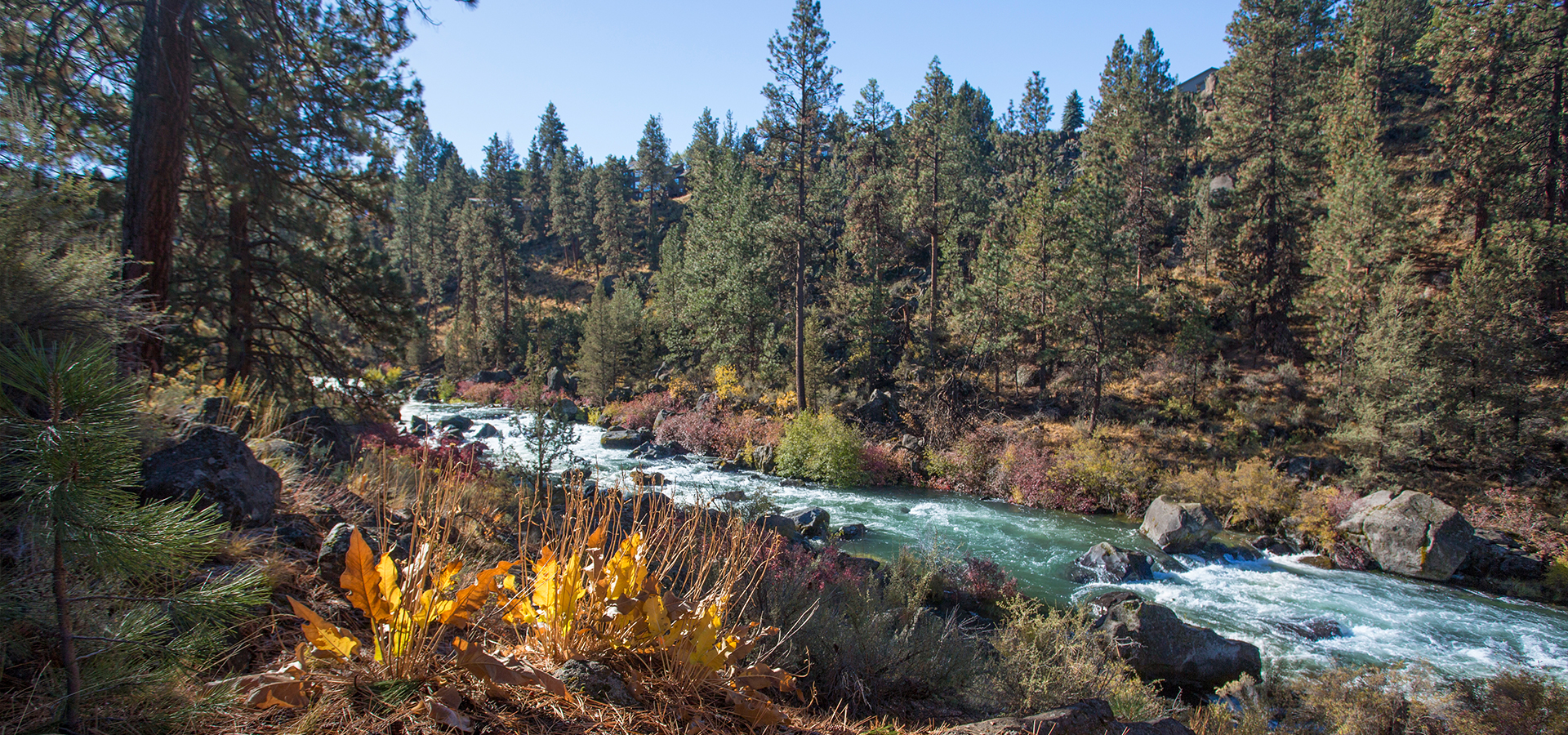
The BPRD board of directors met on June 16 for the final meeting of the 2025-26 fiscal year. The meeting focused on supporting growth through annexation decisions and advancing long-term planning efforts related to climate resilience and future recreation facilities. A video recording is available.
Annexation of 45-acre property
During the business session, the board approved Resolution No. 2026-10, authorizing annexation of a 45.27-acre property into the district. The property, located near OB Riley Road, is part of a proposed subdivision and requires annexation to move forward with development approvals from Deschutes County.
Annexation ensures that new development areas are included within the district’s service boundaries and contribute to parks and recreation through property taxes and system development charges. The property is adjacent to key recreational assets, including the Deschutes River Trail and Riley Ranch Nature Reserve, and is located within a park planning area focused on improving pedestrian connections.
Board approval allows the property owner to proceed with a formal annexation petition through the county process. The action supports long-term planning goals by aligning growth with access to park services and infrastructure.
Climate Adaptation Plan
BPRD Planners Quinn Keever and Henry Stroud presented an overview of the district’s developing Climate Adaptation Plan, which outlines strategies to address the impacts of climate change on parks, facilities and operations.
The presentation highlighted key risks affecting Central Oregon, including increasing extreme heat, drought, wildfire, smoke and heavy rainfall. These conditions are expected to influence park infrastructure, natural areas and community safety in the coming decades.
The presentation shared findings from internal focus groups conducted with departments and the Sustainability Committee to better understand how climate impacts are already affecting day-to-day operations. These insights will inform future adaptation strategies to reduce risks and improve resilience across the district.
This work builds on the district’s existing efforts, shifting focus from primarily reducing environmental impacts to also preparing for and adapting to changing conditions.
Recreation Facility Planning and Feasibility Study
The board also received a presentation on the Recreation Facility Planning and Feasibility Study, which evaluates options for possible future indoor recreation facilities.
The study led by Matt Mercer, retired recreation services director, examines several potential facility types, including an aquatic and fitness center, indoor ice rink and multi-use athletic facility. It also analyzes costs, operational impacts and long-term sustainability considerations.
Key findings show strong community demand for additional indoor recreation space, particularly as existing facilities approach peak capacity. The study also confirms that the district-owned Simpson site could accommodate a future westside recreation center, depending on final design.
Staff emphasized that any new facility would require careful financial planning, including identifying funding sources and balancing future operating costs. The study is an early step in a longer planning process that will involve additional community input and board direction.
The next board meeting is July 7.