



Summary of the January 23 board workshop
The Bend Park & Recreation District (BPRD) Board Workshop focuses on setting the foundation for the development of the FY 2026–2027 budget, using financial forecasts and scenario planning to address long‑term operational and capital needs. A video recording of the meeting is available.
Purpose of the Workshop
The 6-hour meeting provides the board of directors and budget committee members with an initial review of the economic outlook, five‑year financial forecast, and budget assumptions. The goal is to prepare leadership for the financial decisions and trade‑offs needed in the upcoming budget cycle.
Economic & Community Trends
National, state and local economic indicators show moderate economic cooling, with inflation easing but still impacting personnel and materials costs. Key Oregon and Central Oregon trends include:
- Slowing population growth, with Bend still growing faster than the state average
- An aging population, increasing demand for adult and senior programs
- A cooling but stable labor market, with recruitment and retention challenges
- Housing affordability pressures affecting both staff and residents
Community survey data from late 2025 shows strong satisfaction with BPRD services and potential support for a future bond, though tolerance for tax increases has softened.
Financial Pressures
BPRD’s General Fund, which covers daily operations, faces rising strains due to:
- Rapidly increasing personnel costs, the district’s largest expense
- Growing recreation subsidies, especially driven by scholarships and inclusion services
- Rising materials and services costs (utilities, insurance, wildfire fuels reduction)
- Continued system expansion—more parks, trails, and facilities requiring maintenance and staffing
Capital Improvement Needs
Large capital priorities include:
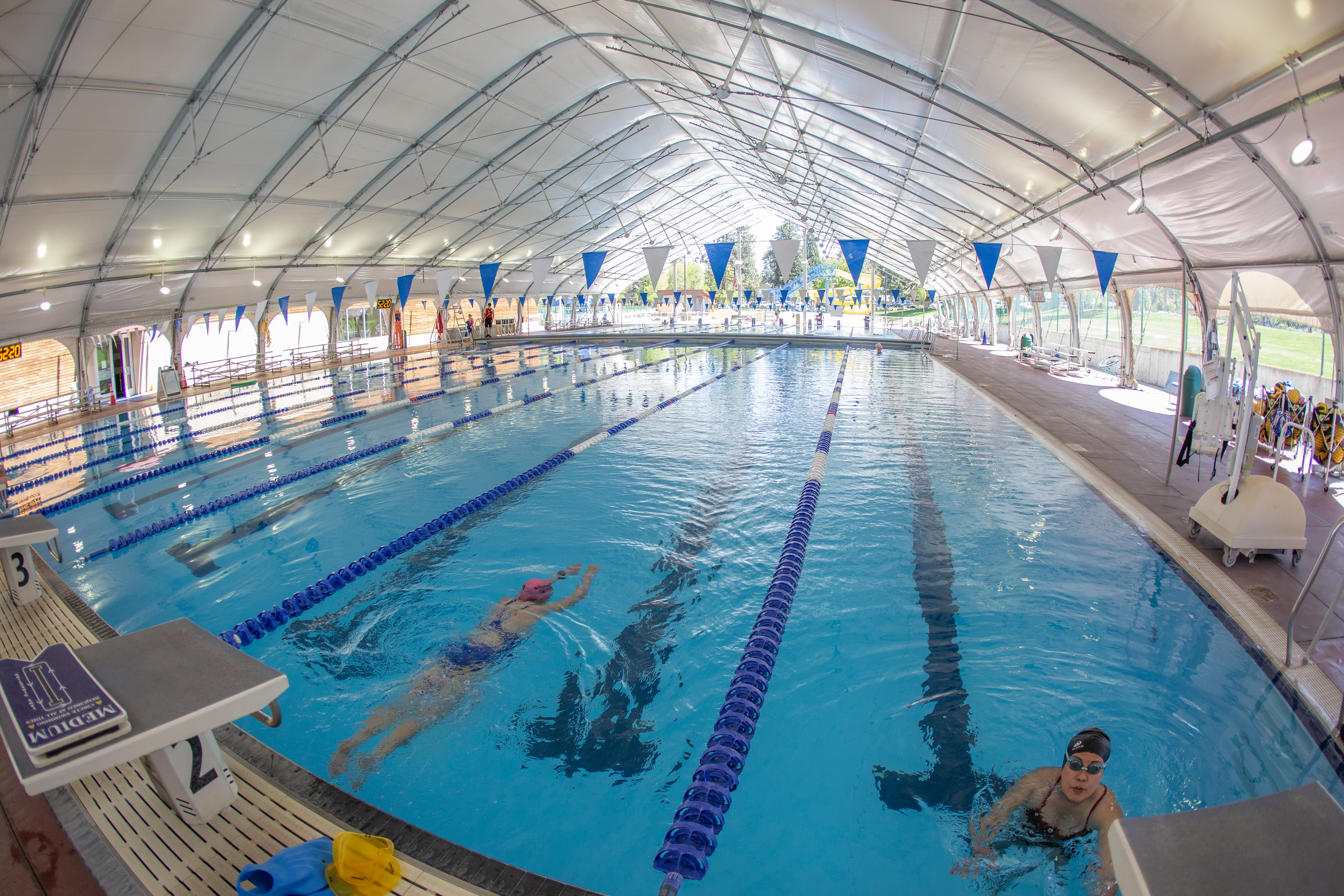
- Juniper Swim & Fitness Center (JSFC) pool cover renovation
- Bend Whitewater Park improvements
- Old Bend Gym upgrades
- Ongoing park development, trails, and maintenance
Funding sources such as SDCs (System Development Charges), facility reserve funds and potential loans are limited and sensitive to shifting development trends.Forecast Scenarios
Four budget scenarios illustrate different paths:
- Beyond Budget – Fully funds all priorities but is not financially feasible.
- Alternative Pathways – Requires a voter‑approved bond to fund major projects.
- Integrated Play – Uses SDC reimbursements and a smaller loan, balancing feasibility with progress.
- Transitional Plan – Defers full JSFC renovation in favor of a lower‑cost temporary fix.
Each viable scenario maintains scholarship funding at about $700,000, controls inclusion cost growth, and moderates capital project pacing.
Next Steps
The district staff asked for board feedback on scholarships, the use of SDC funds, alternative funding (e.g., bond, property sales, loans), and priorities for both the General Fund and the Capital Improvement Plan.
The board meeting is canceled for Feb. 3; therefore, the next board meeting is Feb. 17.