




BPRD manages forest health responsibilities, plans future projects in key areas
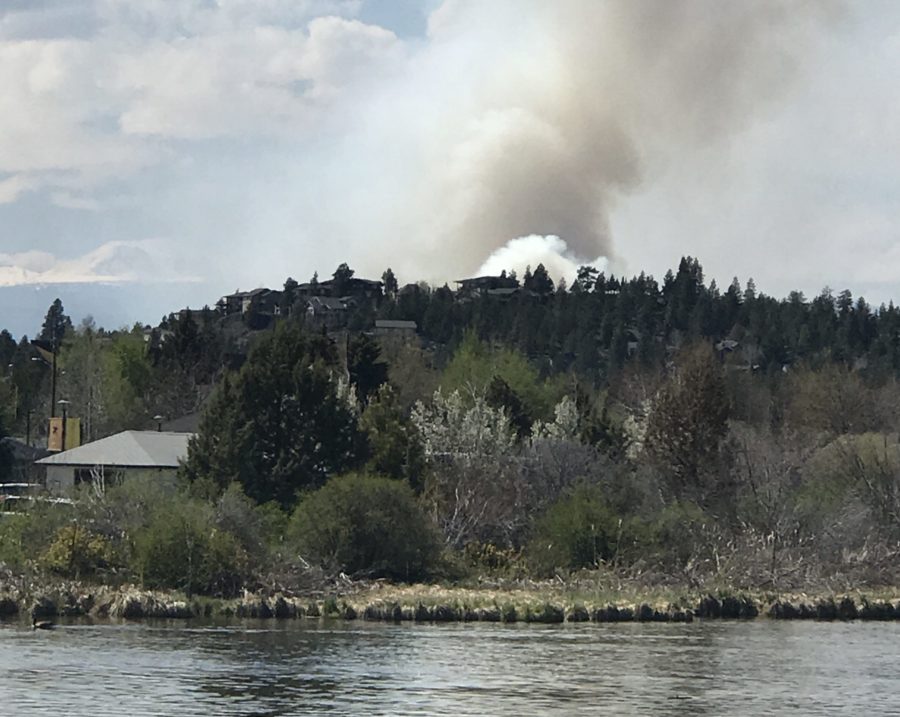
Community interest in wildfire risk and protecting the health and safety of natural areas and residential areas has grown in recent years, which aligns with work already underway and planned in future years by staff at Bend Park and Recreation District and its partners.
At the May 5 board of directors meeting, BPRD staff presented information about recently completed forest health and fuels reduction projects as well as plans for future projects. They also discussed how responsibilities of a land manager like BPRD that oversees more than 3,000 acres differ from individual homeowners and prioritizes forest health strategies.
BPRD’s forest health and fuels reduction program is a two-part strategy to promote forest health and resilience while reducing wildfire risk within district-owned properties. Through recent collaborations, the district enhances Bend Fire & Rescue priorities into new project prescriptions to include some Extended Zone space efforts where neighborhoods meet natural areas.
For new fuels projects within city limits, BPRD is focused on the 20-foot boundary where its property abut private property to enhance mitigations in the Extended Zone, (Zone 3), which is 30-100 feet away from residential structures focusing on reducing ladder fuel to slow spread or risk of embers.
“Historically, Central Oregon’s dry forests adapted to frequent, low intensity fires that maintained open forest structure and reduced fuel accumulation,” said Zara Hickman, BPRD’s Natural Resources and Trails Manager. “Decades of fire suppression, logging operations, and current environmental factors have increased forest density and surface fuels, elevating the risk of severe wildfire in and around Bend.”
“It is encouraging to see homeowners aware of Firewise requirements and doing their part to increase wildfire resistance,” added Hickman. “It is important for community members to know that our natural areas are managed for resilience and are not subject to Firewise, which focuses on structural hardening defense. These two treatments complement one another at a high level for the community, supporting stronger neighborhoods.”
During the current budget year, the district’s Natural Resources staff completed nine projects totaling 39 acres of fuels reduction improvement work. The district has three contracted fuels reduction projects completed and in process currently, totaling an additional 90 acres. These include pile burning at North Shevlin and mowing at Alpine Park and Shevlin Park adjacent to Tree Farm.
BPRD is a co-sponsor of the Wildfire Preparedness Fair from 10 a.m. to 1 p.m. on Saturday, May 9 at Central Oregon Community College with Bend Fire, Deschutes County and other partners at the free community event to share information and answer questions. https://centraloregonfire.org/prevent-wildfires/
Future projects planned
BPRD is investing more budget into forest health management. The Natural Resources vegetation management budget has steadily increased over the past five years. The proposed fiscal year 2026–2027 budget represents a 60% increase from the current year. This higher budget is attributed to an increase in contracted fuels reduction acreage and the rising cost of this work.
For the next budget year (July 2026– June 2027), the district has three contracted projects planned, totaling 140 acres: Archie Briggs Canyon Natural Area phase 1, Eastgate and Rose Property. Treatments will include cutting and piling trees to remove understory and brush. Piles will be left to cure and burned in one to two years. The Archie Briggs Canyon Natural Area phase 2 project is scheduled for burning in fall/winter 2027.
“As our community increases understanding of how to best protect our natural areas and residential areas, there will be projects happening close to homes, and we are committed to being a good neighbor and keeping the public informed about projects and results.”
Learn more at the fire management webpage.